

Overview
The TYPEWRITER Field Exercise (FX), held at Sandia National Laboratories in September 2024, marked the final exercise in a series aimed at advancing multilateral nuclear verification methods. Building on LETTERPRESS, it expanded scope to track all warhead flows at a processing site and introduced key innovations: continuous monitoring independent of inspector presence, intentional anomalies to test system resilience, and post-use equipment authentication. Inspectors used real-time data to detect anomalies and guide inspections, demonstrating the system’s potential to strengthen oversight and accountability. The exercise highlighted challenges in communication, procedural adherence, and training, offering lessons to refine verification processes and enhance future inspection readiness.

Findings and insights
Anomaly Identification
During the TYPEWRITER Field Exercise, several types of anomalies were introduced to test the Inspectors’ ability to detect irregularities through continuous monitoring and on‑site inspections. These included deliberate discrepancies meant to conceal undeclared activities, accidental errors such as incorrect notifications, and unplanned anomalies like equipment and network failures. All were recorded for post‑exercise review.
A further category—identified only after the exercise—consisted of “beneficial anomalies,” where equipment unintentionally revealed extra information. Examples included a drifting camera with an expanded field of view and a neutron indicator light visible on surveillance feeds. These cases highlight the risk of unintentional information leakage and the importance of Hosts regularly auditing monitoring data.
Inspectors identified nearly all deliberate and accidental anomalies. Continuous monitoring, supported by targeted inspections, enabled timely detection of undeclared items and procedural issues. A small number of anomalies were missed, and some false positives occurred due to information overload, emphasising the need for improved data correlation.
Monitoring System Performance
The monitoring system worked reliably and provided valuable real‑time insight, but it generated high volumes of data that overwhelmed inspectors. Motion sensors triggered too frequently, and several cameras struggled with lighting and image quality. Hardware fragility—such as failures in low‑cost interfaces—demonstrated the need for more robust and redundant equipment. Despite these challenges, inspectors expressed confidence in the overall sensor layout.

Data Analysis Challenges
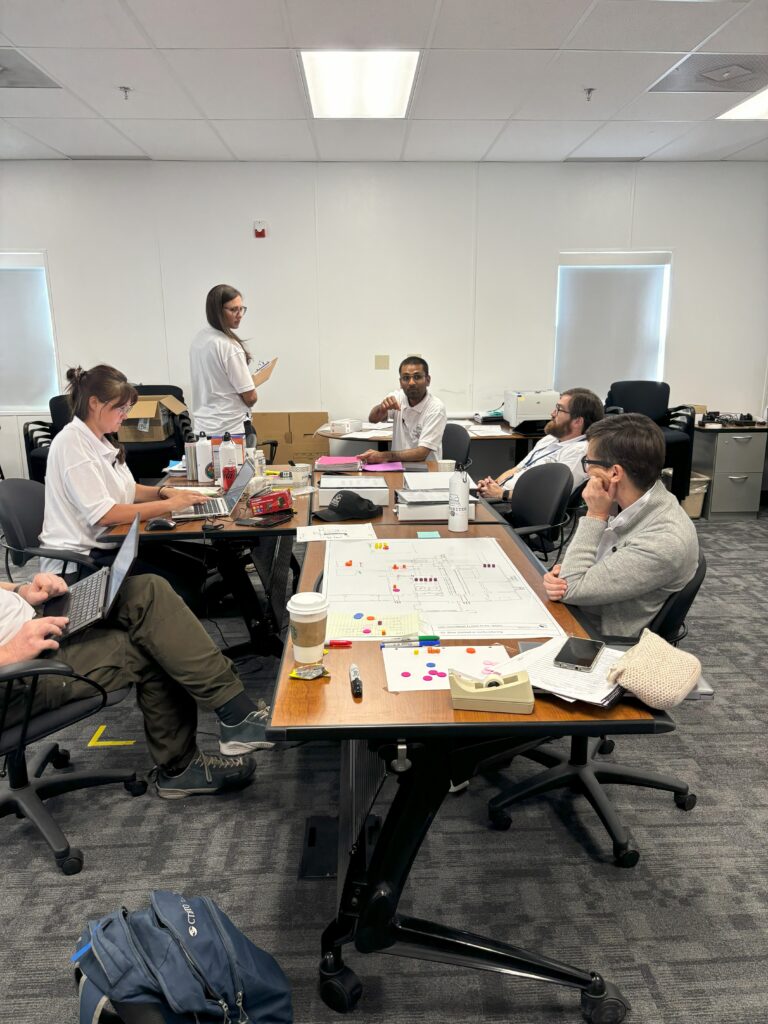
Inspectors faced a heavy workload manually cross‑checking data, notifications, and video feeds. Visualisation tools created for the exercise were helpful but underused due to time pressures and lack of real‑time integration. Future systems would benefit from automated anomaly grouping, filtering of low‑priority alerts, and dynamic data visualisation to reduce cognitive burden and improve decision‑making.

Inspections and Procedures
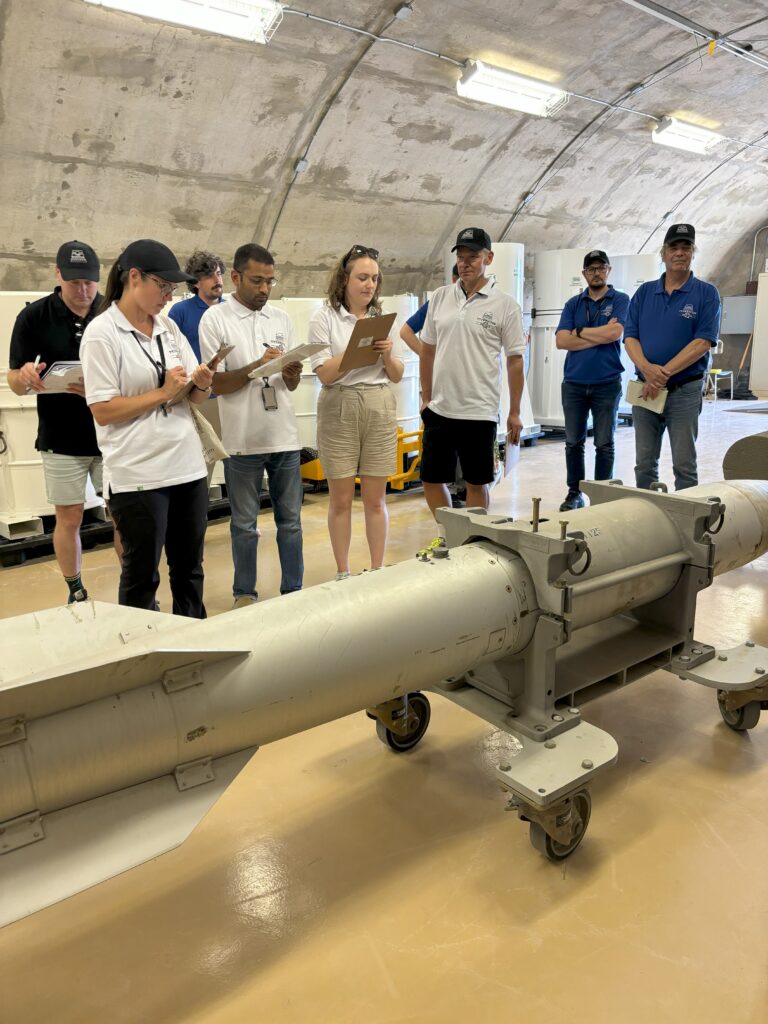
Inspections were often rushed and physically demanding, which limited their thoroughness. Issues such as forgotten equipment, unclear selection criteria, and inconsistent application of chain‑of‑custody reduced efficiency. Shrouded areas remained a key confidence gap. Some procedural ambiguities allowed Hosts to delay or shape inspections. Better standardisation, clearer guidance, and pre‑exercise training would strengthen future efforts.
Inspector–Host Dynamics
Interactions revealed uncertainties in procedures and occasional host‑driven delays. Limited documentation and unfamiliarity with treaty language contributed to disputes. Future exercises would benefit from neutral controllers, clearer recording of decisions, and dedicated familiarisation sessions for both Inspectors and Hosts.

Authentication and Equipment Handling
Time and resource constraints limited the depth of authentication activities. Occasional verification failures and fragile chain‑of‑custody tools reduced confidence in equipment integrity. More durable designs and focused authentication exercises would improve performance.
Immersion and Realism
The combination of continuous monitoring and inspector‑led inspections provided strong realism and engagement. However, the high number of anomalies and compressed timelines sometimes reduced believability. Inspectors valued autonomy and real‑time decision‑making but found it challenging to maintain situational awareness in complex, cluttered environments.